In Conversation with John O'Brien: Why Connections Matter in Circular Technology
- Circular Tech

October 1, 2026
By John O’Brien, Business Development Director, Cambrionix
 |
We sit down with John O'Brien, Business Development Director at Cambrionix, to talk about one of the less obvious drivers of growth in the circular technology industry: connections. |
Over the past couple of years, John has been focused on building Cambrionix's presence across the ITAD, mobility and wider circular technology markets. From industry events and customer meetings to strategic technology partnerships, he has seen first-hand how relationships are helping to shape an increasingly connected ecosystem.
And while Cambrionix is perhaps best known for the technology it develops to connect and power devices, John believes another type of connection has become just as important: the relationships between people, businesses, technologies and ideas.
We caught up with John to explore what he has learned from the industry over the past year, why partnerships are becoming increasingly important, and what the next stage of growth could look like for circular technology.
“Connections” means more than USB
You've talked about the importance of "connections" in circular technology. What does that mean to you?
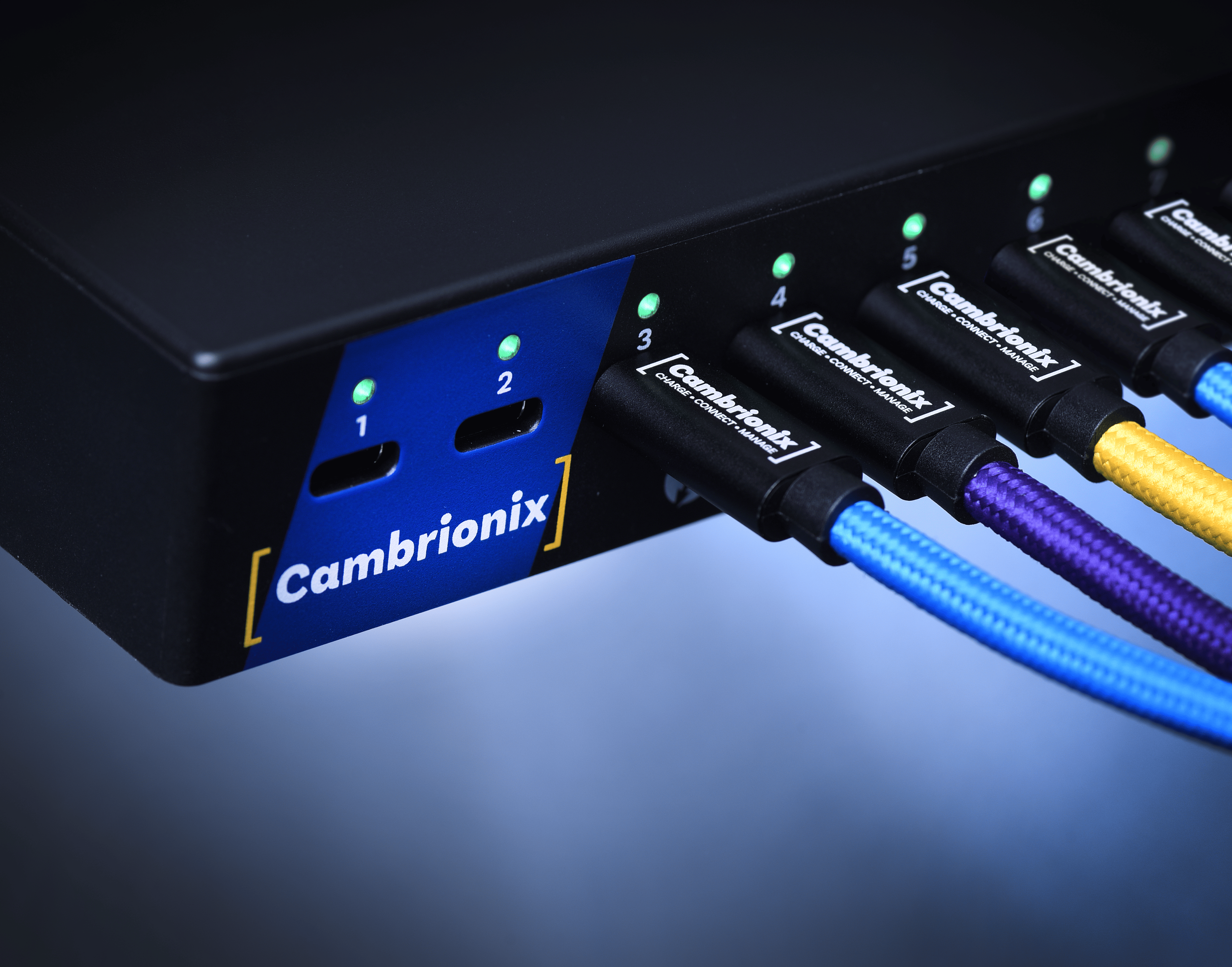
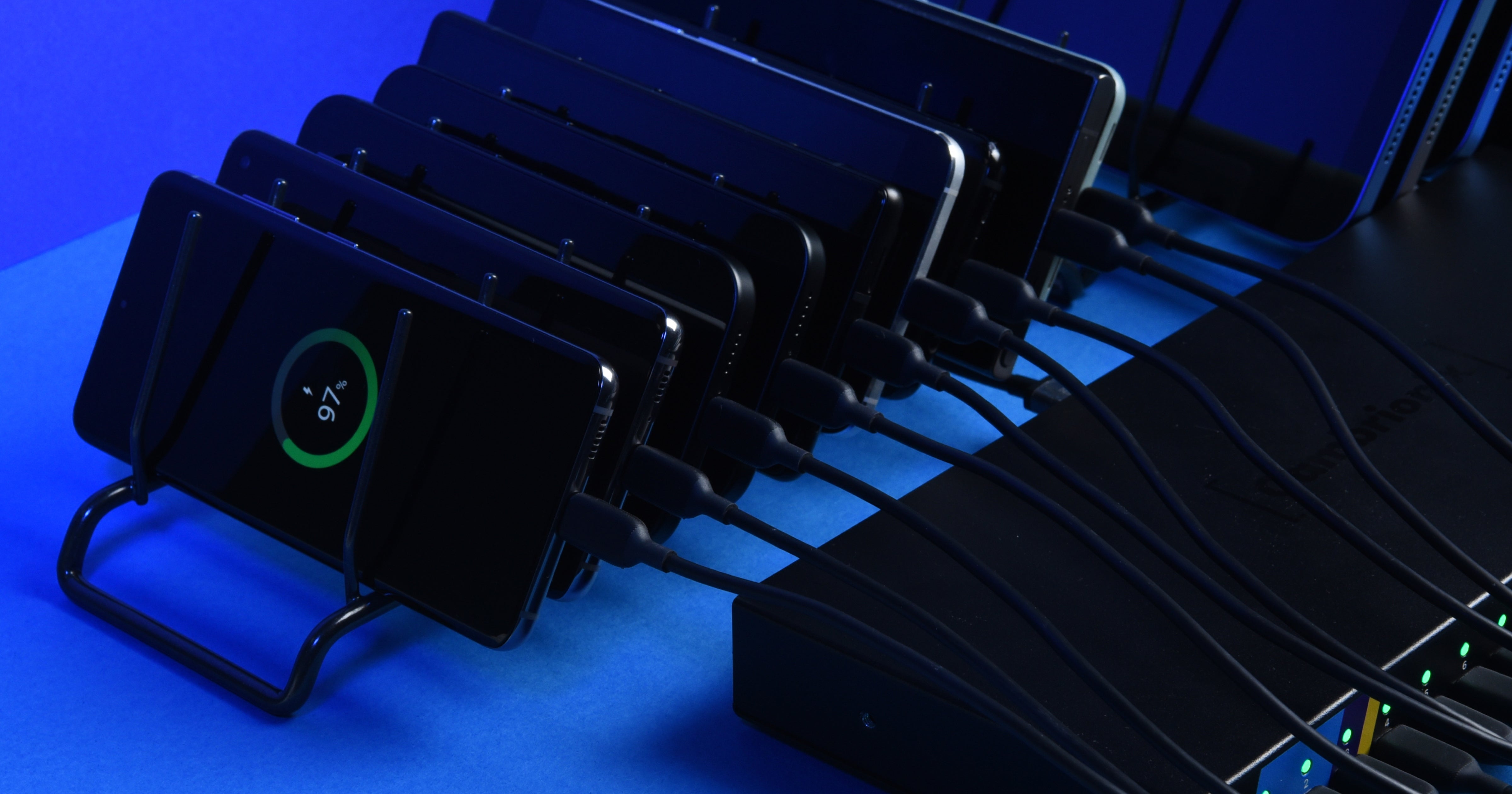
"Cambrionix builds the hardware that connects and powers devices, so 'connections' is literally what we do. But the longer I've spent in this industry, the more I've realised that the connections that really matter go well beyond USB. It's the connections between people, companies, technologies and ideas.
The ITAD, mobility and wider circular technology market is incredibly fragmented. There are refurbishers, recyclers, software providers, logistics firms, carriers, OEMs and resellers, and each of them owns one piece of a device's journey. No single business sees the whole picture. So if you want to solve a real operational problem for a customer, you have to understand how all those pieces fit together, and that only comes from talking to people across the ecosystem.
What's encouraging is that the industry feels more collaborative than it did even a few years ago. Circular technology isn't really a collection of individual businesses; it's a connected ecosystem. The businesses that understand that are better placed to solve problems for their customers."
Getting closer to the industry
How has getting out into the industry changed your understanding of the circular technology market?
"Enormously. Over the last couple of years, I've made a point of being at industry events, on customer sites and in partner meetings, and the conversations I've had there simply wouldn't have happened through an email campaign or a sales call.
What surprised me most was how close-knit the sector is. Everyone seems to know everyone, and a single introduction can open doors you didn't know existed.
I've also learned that there's a big difference between attending an event and actually being part of the community. Standing at a booth is one thing. Going back year after year, following up and helping people solve problems even when there's no immediate sale is what builds relationships. The recent US events in Las Vegas and Miami really brought that home for me.
If I had to sum it up: turn up, listen more than you talk, provide solutions and the business tends to follow."
Why strategic partnerships matter
Cambrionix has recently been developing strategic partnerships within the ecosystem. Why are those partnerships becoming so important?
"Because nobody in this market can do it all on their own, and customers don't want to stitch ten different solutions together themselves.
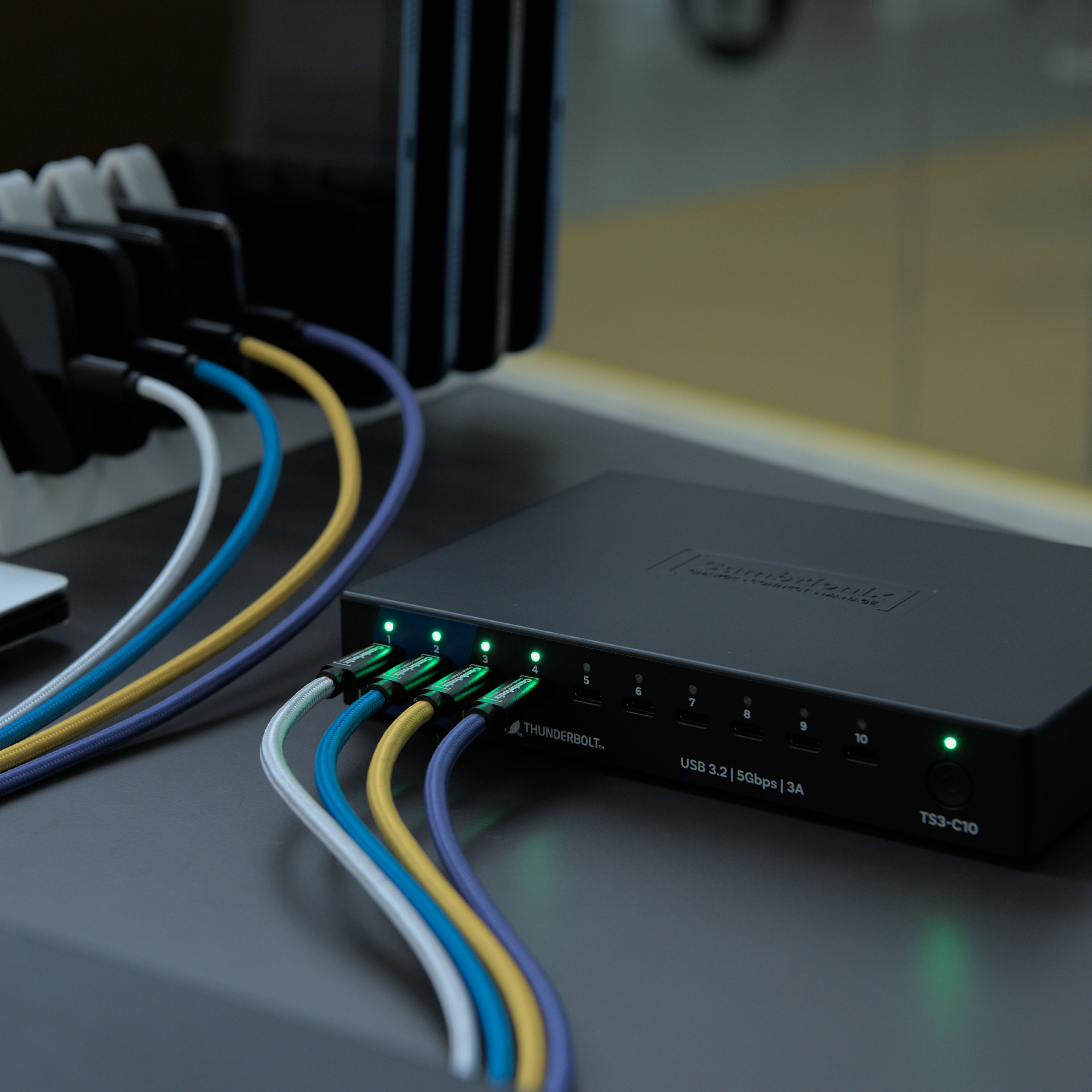
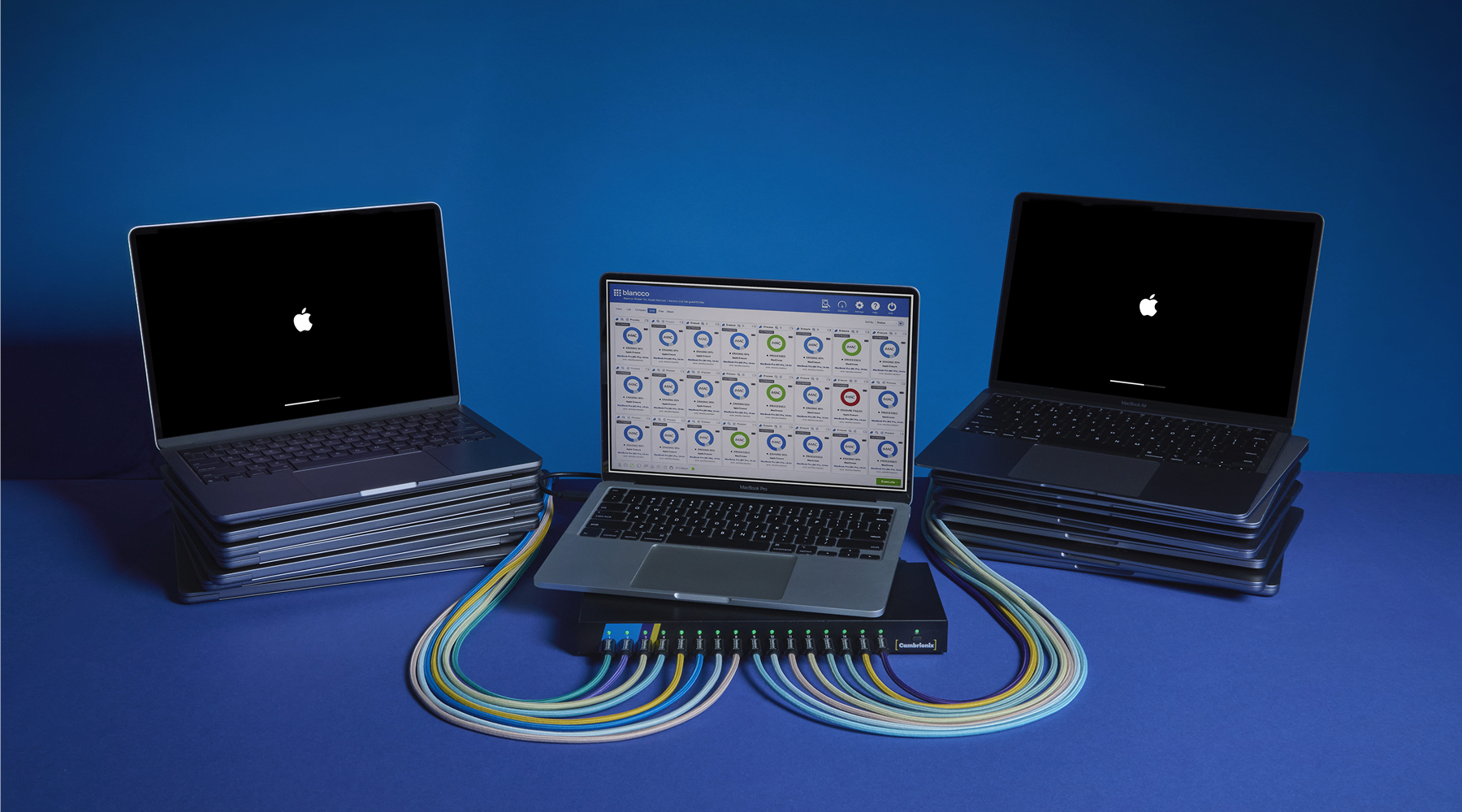
Our partnership with Blancco is a good example. Blancco brings strong data-erasure and device-processing capabilities, while our hardware means more devices can be connected, charged and processed reliably at scale. Put the two together and the customer gets faster throughput and fewer operational challenges. That's good for them, good for Blancco and good for us.
That's what I think separates a genuinely strategic partnership from a traditional supplier relationship. It isn't about one company simply selling to another. It's about two specialists making each other's technology work better and sharing a genuine interest in the customer's outcome. It also opens routes into new customers and markets that neither of us would reach as quickly alone.
As device processing becomes more automated and sophisticated, I only see this becoming more important. The future isn't one company providing every part of the solution. It's the right specialists plugged into each other."
Customers as an extended sales team
You've described some of Cambrionix's customers and partners as almost an "extended sales team". What's behind that?
"It's something I genuinely didn't expect, but it's become one of the most rewarding parts of the job. Some of our customers and partners actively recommend us to others.
In an industry this close-knit, trust and credibility are everything. A recommendation from a customer who's already running our kit on their processing floor carries far more weight than anything we could say in a brochure. And in a fragmented market, where buyers are often trying to work out who's reliable, that advocacy is incredibly valuable.
I think that kind of advocacy is earned through the experience customers have after the sale as much as the product itself. The ongoing support, the collaboration and the willingness to jump in and solve problems together are what turn a customer into an advocate."
Where technology and relationships are heading
What role do you think technology partnerships and human relationships will play as the circular technology market continues to evolve?
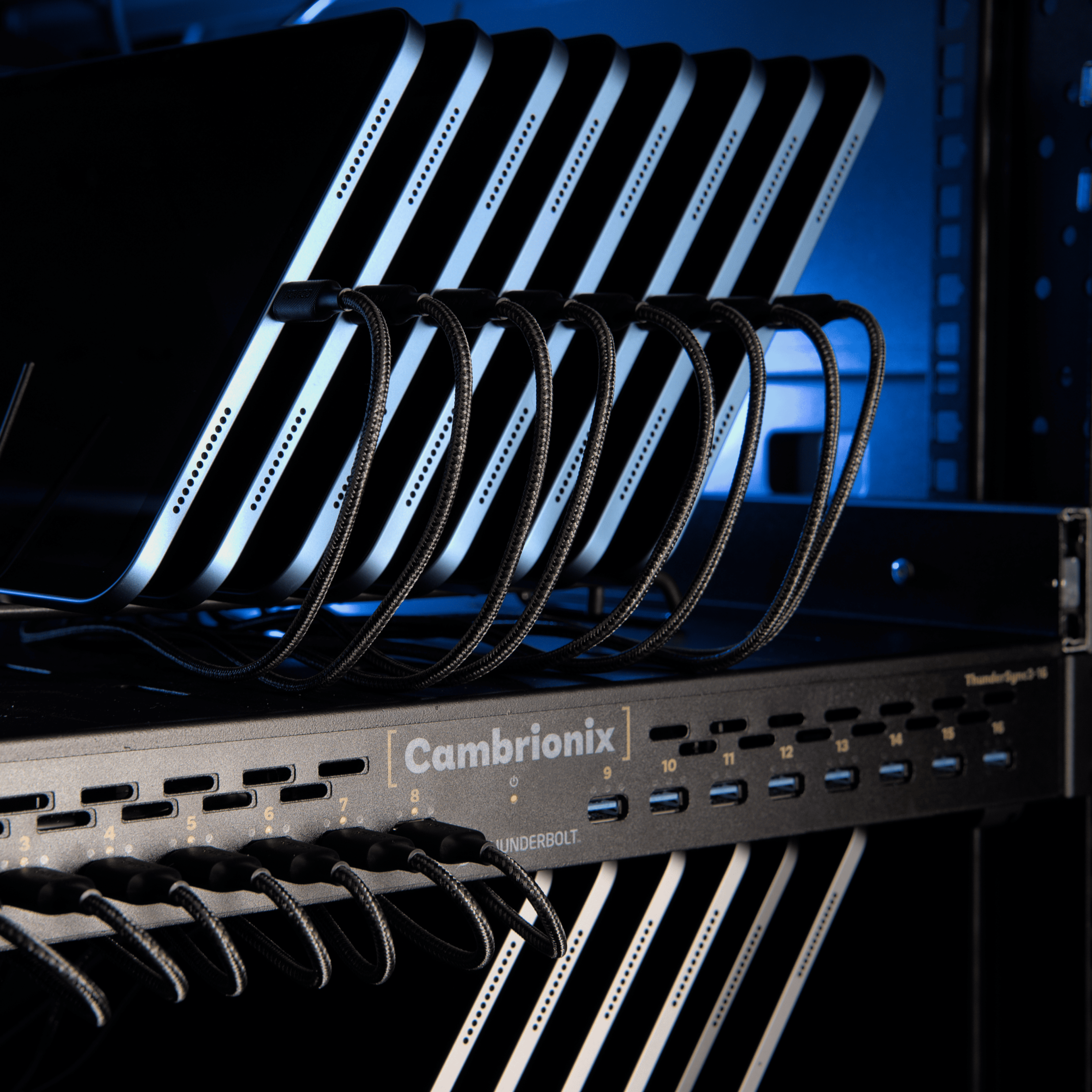
"Device volumes keep growing, processing requirements are getting more demanding, and the pressure on efficiency and scalability isn't going away. We're seeing more automation, and AI and software are changing how devices are tested, wiped, graded and routed.
But technology on its own won't solve every operational challenge. Increasingly, the value lies in how well different technologies work together, the hardware talking to the software, and the software connecting into the wider workflow. That integration only happens when companies across the ecosystem are willing to work together, and that comes back to people and relationships.
Whether the market consolidates or simply becomes more collaborative, I think the connections between technologies will become just as important as the technologies themselves. For Cambrionix, our role is to be the reliable foundation that everything else plugs into. To stay relevant, we have to keep listening to customers, keep evolving the product with them and keep being a good partner to the rest of the ecosystem."
What excites him most
What excites you most about the next stage of Cambrionix's journey in circular technology?
"The momentum. A couple of years ago, our presence in this market was largely reactive: people found us. Now we have a much more proactive strategy, we're building stronger relationships across the ITAD and mobility ecosystem, and we're working with some of the industry's leading names.
What I'm hearing from customers is that the market is heading towards bigger volumes, more automation and more integrated solutions. That creates opportunities that simply didn't exist before, particularly through partnerships.
Longer term, I'd like Cambrionix to be known as the company that makes everything else work better, the trusted connection at the heart of device processing. That's what makes my job and our company journey so exciting."
In summary
For John, the story of Cambrionix's growth in circular technology is ultimately about more than hardware: connecting the right people, technologies and ideas to solve the challenges facing an industry that is becoming increasingly sophisticated. And if the conversations and partnerships of the past couple of years are anything to go by, there are plenty more connections still to be made.
If you'd like to talk to our team about connections in circular technology, get in touch.