Key Trends Reshaping Circular Tech in 2026
- Circular Tech
March 18, 2026
By John O’Brien, Business Development Director, Cambrionix
 |
Drawing on insights from recent industry events, including Circular Markets 2026 and Mobile World Congress 2026, alongside ongoing collaboration with Circular Tech operators worldwide, our Business Development, John O'Brien, shares his perspective on the key trends reshaping device refurbishment and ITAD operations. |
Electronics circularity is no longer a sustainability side story; it is becoming a structural part of the global device economy, with refurbishing and recycling companies playing important roles in promoting device reuse.
Across Europe, North America, and the Middle East, slower new-device growth, rising consumer awareness, tighter regulation, and increasing audit expectations are reshaping how smartphones, laptops, and tablets are processed, refurbished, and resold.
As a result, the global circular devices market is projected to exceed £150 billion by 2027 [1]. It represents roughly 25% of new device sales, with smartphones continuing to dominate, followed by laptops and tablets.
Growth, however, brings pressure: margins are tightening, competition is increasing, and expectations are rising. In 2026, leadership in Circular Tech will not be defined by volume alone, but by speed, infrastructure discipline, and operational control.
1. Speed Is Now a Commercial Necessity
“For high-volume Circular Tech operators, processing speed is no longer just an efficiency metric; it is a revenue protection mechanism. Throughput per shift, stability under heavy load, and reduced device handling directly influence commercial outcomes.”
On average, used devices lose around 1% of their value every week [2]. Delays between intake, processing, and resale grind the margin down, highlighting the commercial urgency behind circularity, where time directly impacts profitability.
At the same time, longer device lifecycles and pricing pressures on new devices are accelerating demand for refurbished options. While this supports market growth, it also increases competition and places greater pressure on operators to process devices quickly and efficiently.
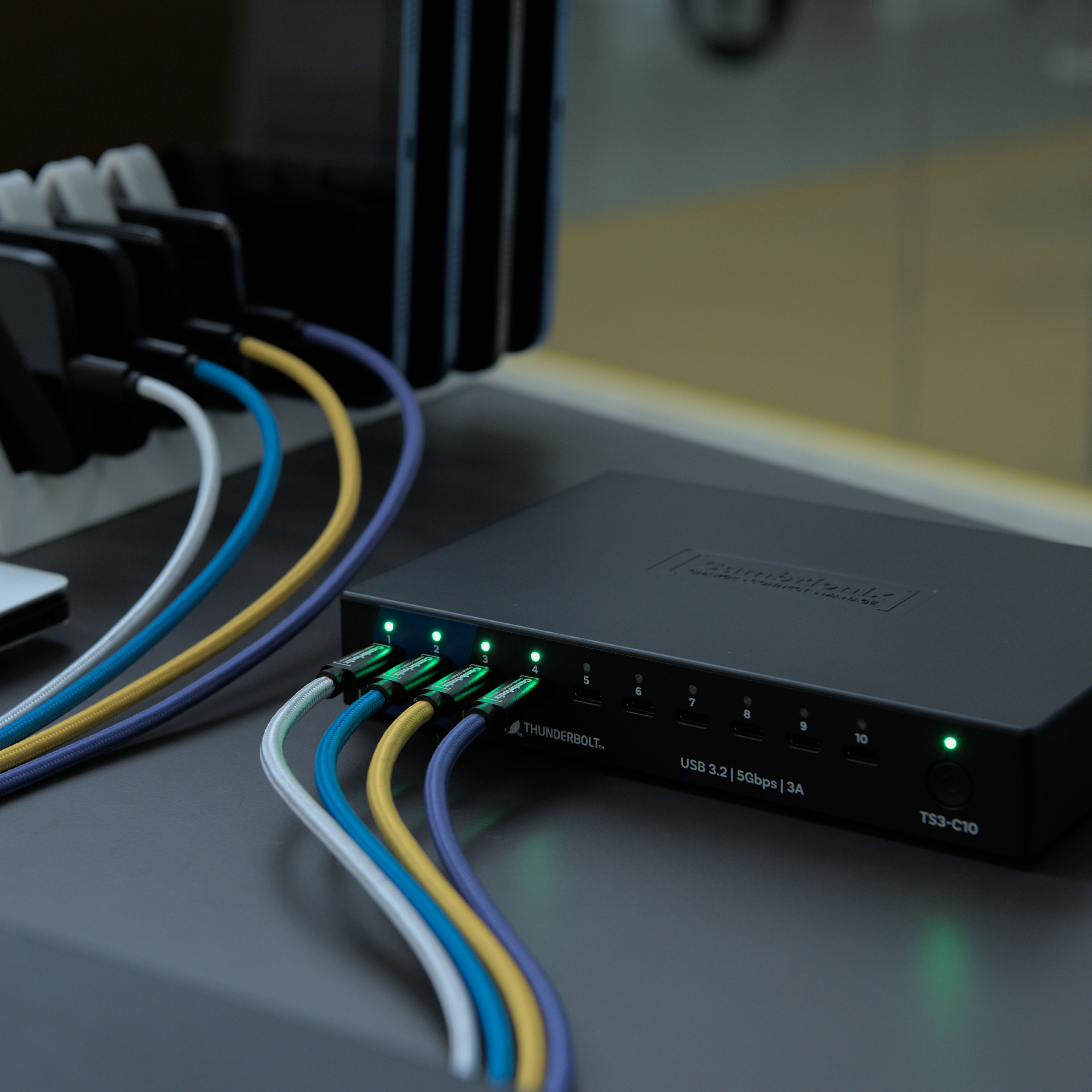
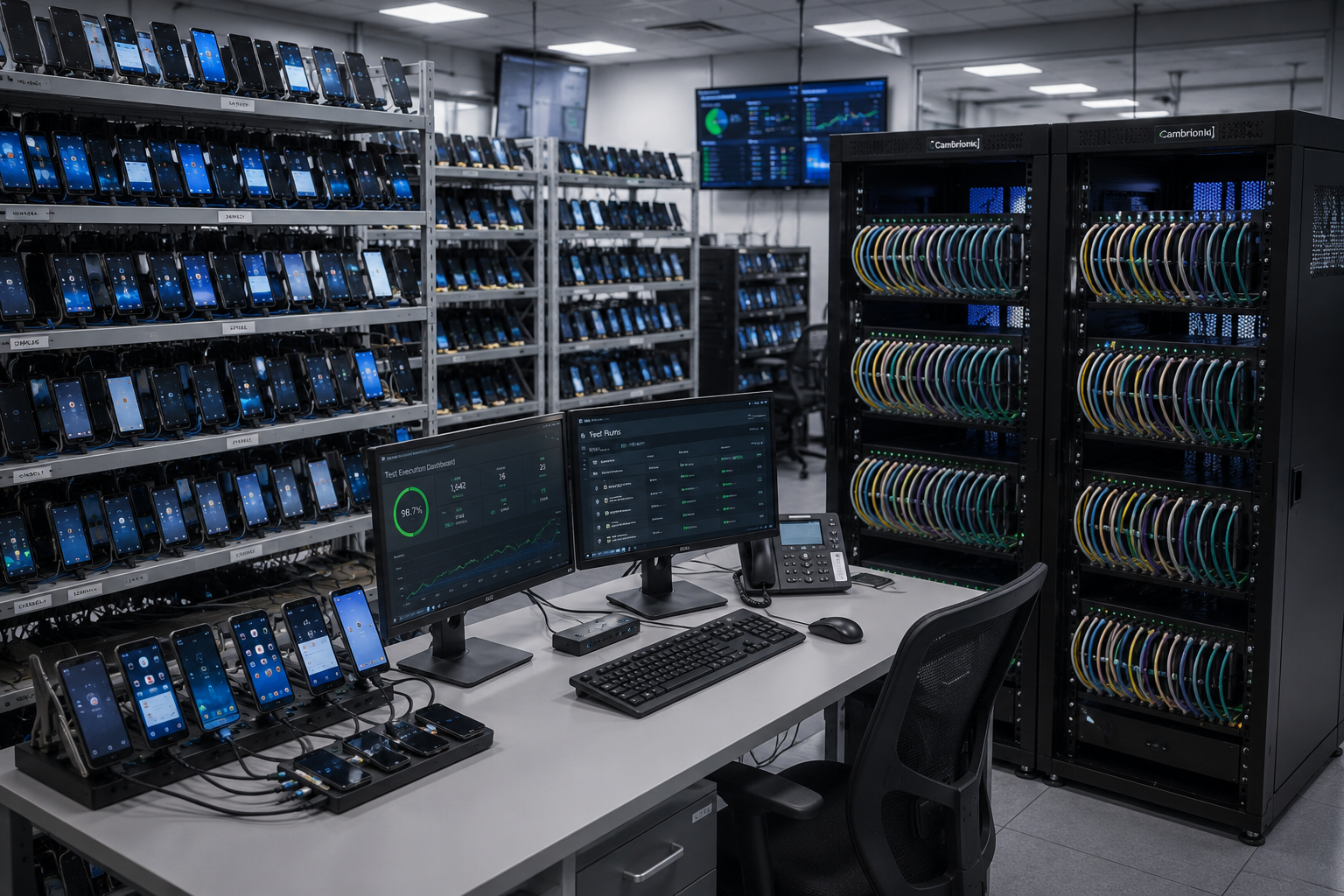
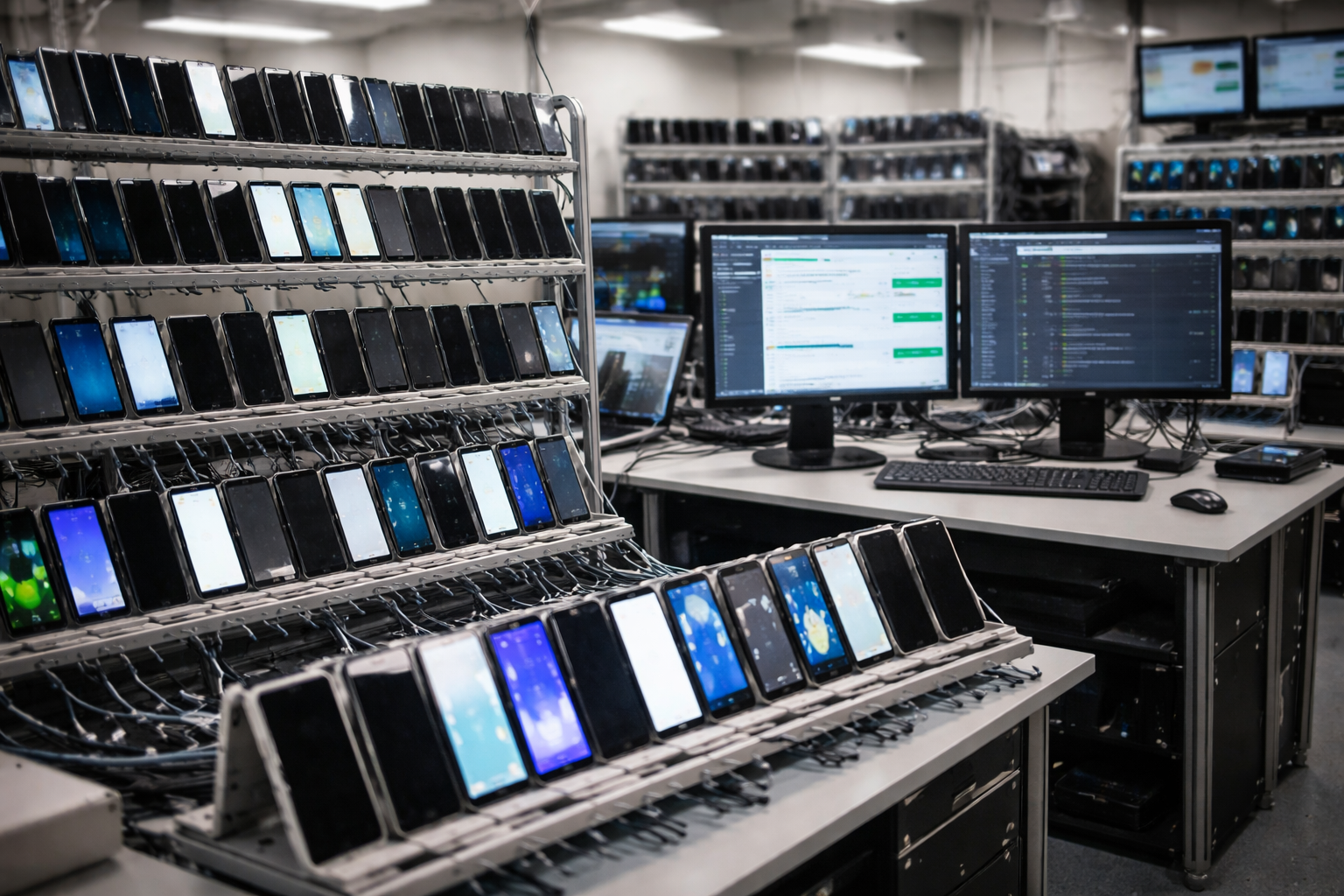
As a result, many high-volume Circular Tech operators are investing in stable, high-density processing infrastructure that consolidates charging, data transfer, erasure, restoration, and testing into a single controlled environment capable of running multiple devices simultaneously. By reducing idle time between stages, devices move through the processing workflow faster and can return to market sooner.
2. Charging Becomes Operational Control Points
"Inefficient charging practices carry commercial consequences. Devices left charging to 100% unnecessarily accelerate battery degradation. Insufficient power during processing can cause device instability under heavy load, leading to slow synchronisation and extended turnaround times.”
Speed protects margin, while battery state often determines speed. In high-volume Circular Tech environments, thousands of devices arrive in unknown condition: many are completely flat, while others require controlled discharge before transport. Each scenario introduces friction into the processing flow.
Regulations are reinforcing this operational challenge. Updated IATA Dangerous Goods Regulations require lithium-ion batteries shipped by air to be transported at no more than 30% state of charge from January 2026 [3]. This applies not only to EU-based operators, but also to any organisation shipping devices into the EU market.
For refurbishers and reverse logistics operators that regularly ship devices internationally, this creates an additional processing constraint. Devices that complete refurbishment at 80–100% charge must often be discharged again before shipment, adding extra handling steps and increasing processing time.
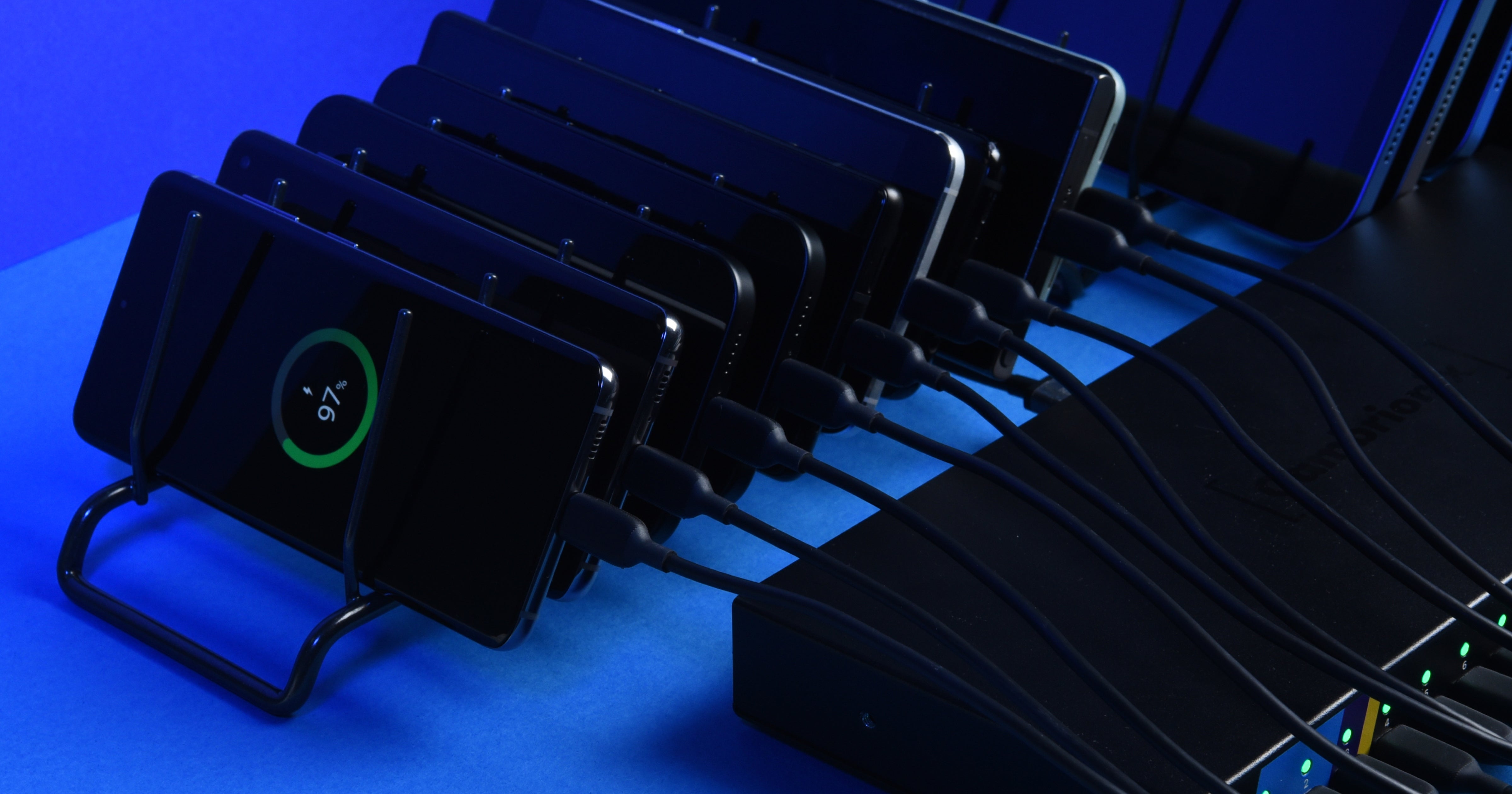
To remain compliant without disrupting throughput, devices must be maintained within defined charge thresholds during erasure, restoration, and testing. This requires intelligent charging and integrated software control that enables precise management of device charge levels.
3. Rising Data & Audit Expectations
“In Circular Tech, secure data erasure is not just a technical step, but the foundation of trust in the secondary market. Operators must be able to prove, not just claim, that every device has been processed correctly.”
If battery handling is a physical compliance checkpoint, data erasure is a reputational one. Data privacy remains one of the most significant barriers to the adoption of refurbished devices. Enterprise customers, public sector organisations, and trade-in partners increasingly require verifiable proof that data has been permanently removed before devices re-enter the secondary market.
At the same time, expectations extend beyond erasure alone. End users await devices to be fully restored, updated to the latest OS version, and ready for immediate use. When these expectations are met, return rates decrease and trust in refurbished devices grows.
This places greater pressure on the consistency of the entire processing workflow. In high-volume environments, reliability becomes critical. If devices disconnect and fail to complete processing or enter inconsistent states, verification records may become incomplete, and audit risk increases.
For this reason, device erasure and restore workflows increasingly depend on stable, integrated environments capable of delivering repeatable outcomes and reliable documentation.
4. Automation Separates Leaders from Followers
“Leading operators are redesigning their processing environments around consolidated workflows, in which charging, erasure, restoration, and configuration occur within a single reliable infrastructure platform.”
As Circular Tech operations scale, manual device handling, fragmented workstations, and one-device-at-a-time workflows become commercially limiting. Each additional touchpoint increases the risk of error, inconsistency, and delay, which compound rapidly at scale.
In 2026, key strategic objectives are to reduce technician-to-device ratios, eliminate unnecessary handling, and maintain consistent device states.
This shift is particularly visible in high-volume Apple Mac processing, which has historically been constrained by manual intervention, single-device workflows, and infrastructure instability.
Blancco + Cambrionix are Raising the Bar in Apple Mac Processing

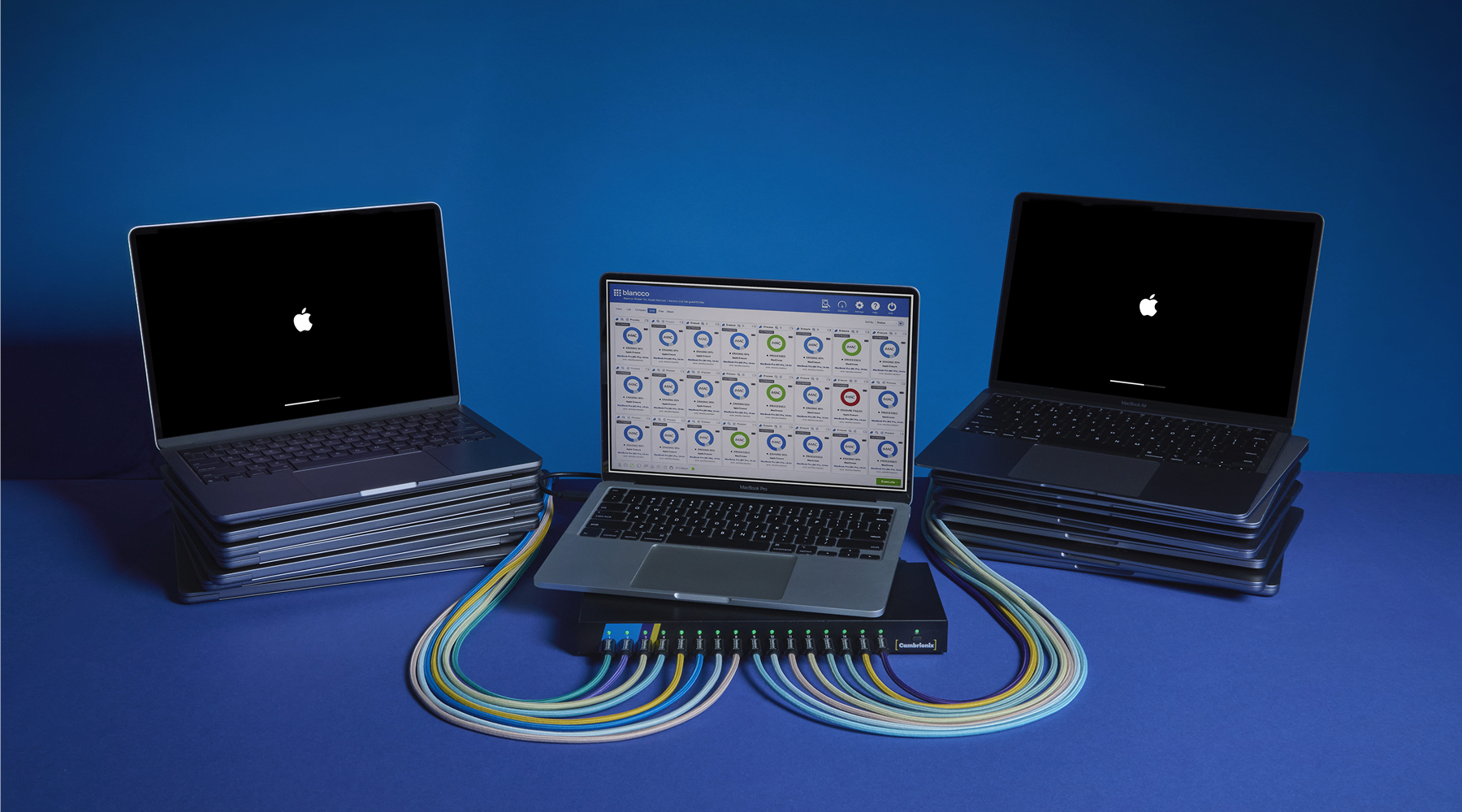
In response to these pressures, Cambrionix and Blancco Technology Group have developed a new joint solution designed to redefine Apple Mac processing at scale.
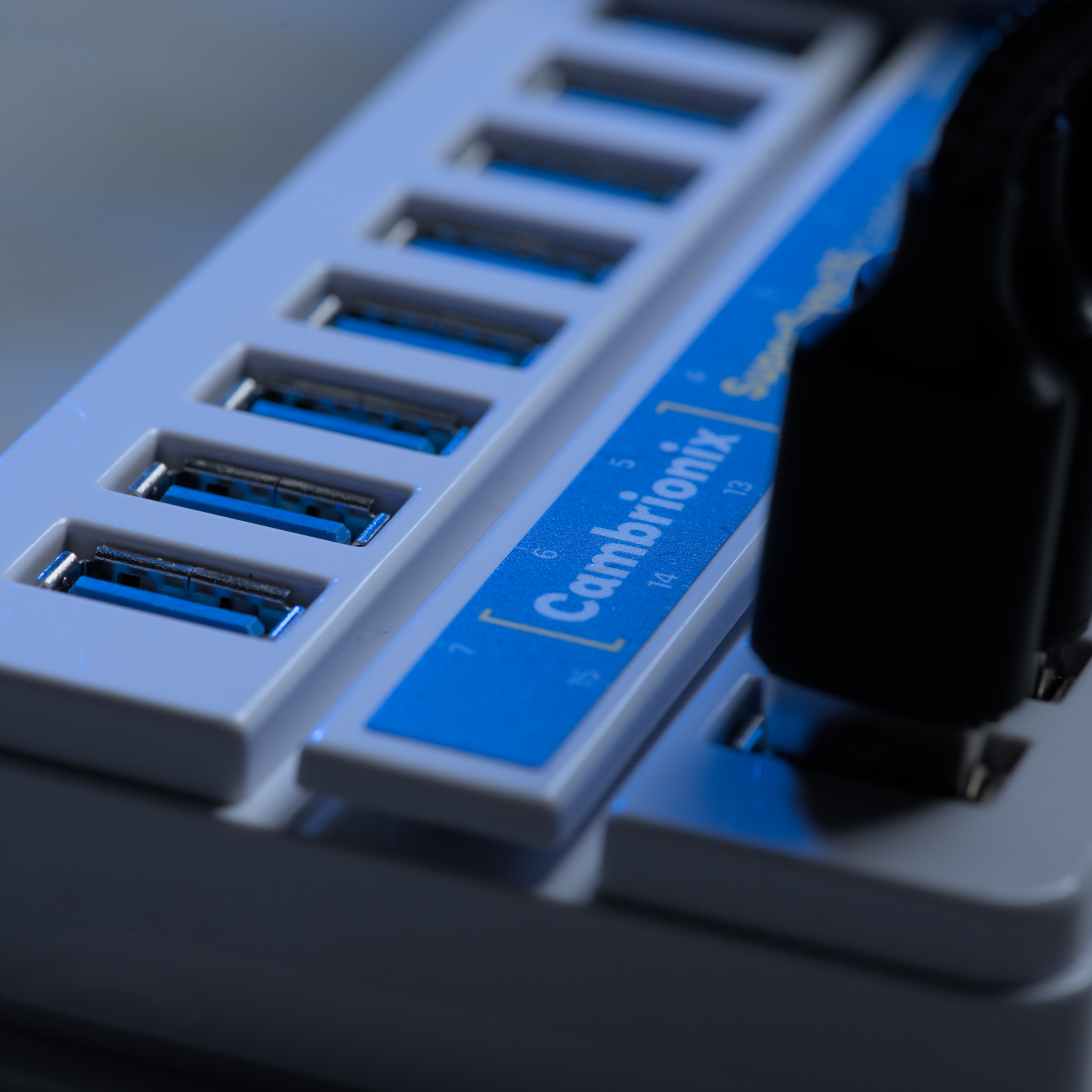
By integrating Blancco Erasure Apple Devices (BEAD) software and the ThunderSync5-C16 PD hub, operators can process up to 16 Apple Macs simultaneously in under 20 minutes from a single workstation while maintaining audit-grade certifications and repeatable workflows.
The result is predictable throughput, reduced labour per device, and controlled processing environments purpose-built for high-volume Circular Tech and ITAD operations.
To discuss high-volume processing strategies or learn more about the Blancco + Cambrionix joint solution, contact our team at sales@cambrionix.com.